Building a Natural Hair Brand: Challenging Stereotypes Through Traditional Marketing.
INTRODUCTION
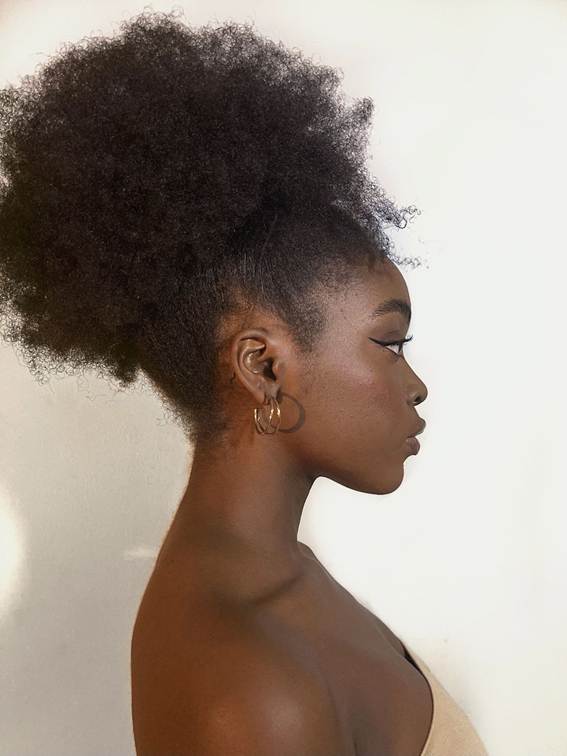
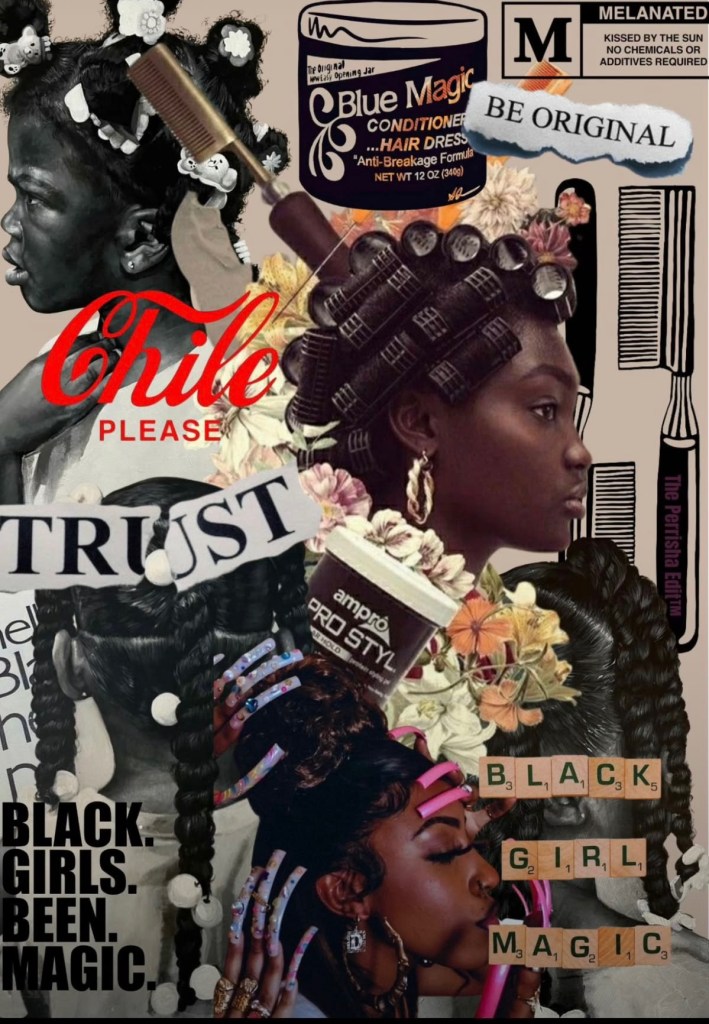
Representation of Afro hair in its natural state, challenging conventional beauty standards and stereotypes.”
The worldwide beauty market has changed as a result of the growth of the natural hair movement, giving entrepreneurs new chances to create companies that honour afro-textured hair. But creating a natural hair brand involves more than just breaking into an already existing market, it also entails overcoming deeply engraved misconceptions and rewriting conventional beauty standards as there exist narratives that afro hair is now fully accepted, celebrated, and understood across social media in todays beauty industry yet, beneath this visibility lies an uncomfortable reality (it accepted but not fully supported and underrepresented)
This blog critically examines the difficulties of developing a natural hair brand. It looks at how deeply ingrained preconceptions still affect customer attitudes and brand tactics and emphasises the value of traditional marketing techniques in fostering authenticity, trust, and significant community involvement.
UNDERSTANDING THE NATURAL HAIR MARKET
Growth of the Natural Hair Legacy:
In recent years, the natural hair movement has gained great support, encouraging individuals to love and embrace their naturals curls, coils and kinks. This trend has been driven mostly by digital platforms such as Instagram, where influencers and everyday people post their hair journeys, style skills, and product recommendations. https://www.tothecurlmarket.com/
As awareness grows, so does demand for products specifically made for Afro-textured hair. This has led to a surge in both independent brands and huge multinationals joining the market, making it more competitive than ever. https://www.tiktok.com/@ocjs_hair_haven?_r=1&_t=ZS-94w8Ex6jtPG
Consumer Needs and Behaviour:
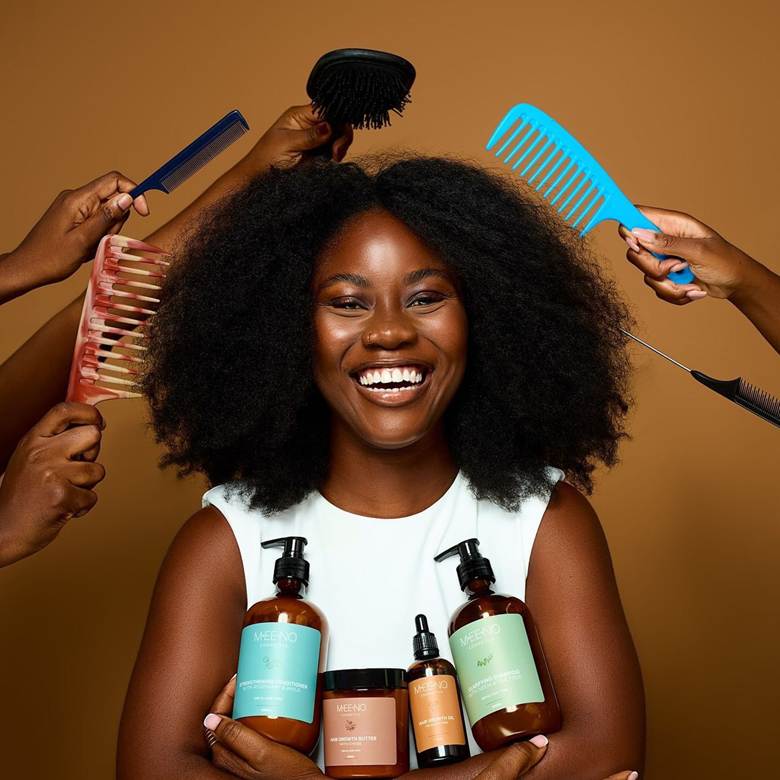
Some consumers in the natural hair community are highly informed and intentional as they desire products that ;
Stimulates hair growth and length retention
Seal in moisture and prevent flakes
And chemical free products (sulfates and parabens)
Beyond product performance, buyers also appreciate authenticity; they are more likely to support brands that understand their experiences and represent their personal identity. This means that successful brands must go beyond selling products; they must develop real customer relationship and connections (Robbins, 2012).
STEREOTYPES SURROUNDING AFRO HAIR
Historical and Cultural Influences:
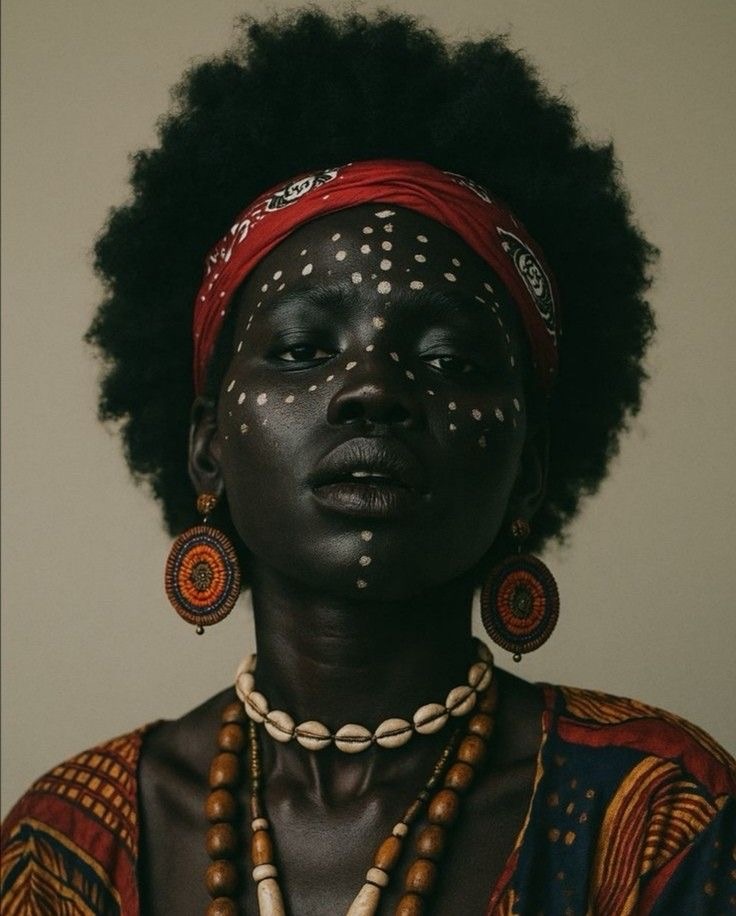
Afro hair stereotypes have a long history. In pre-colonial African societies, hairstyles signified:
Tribe and lineage
Social status
Spiritual beliefs
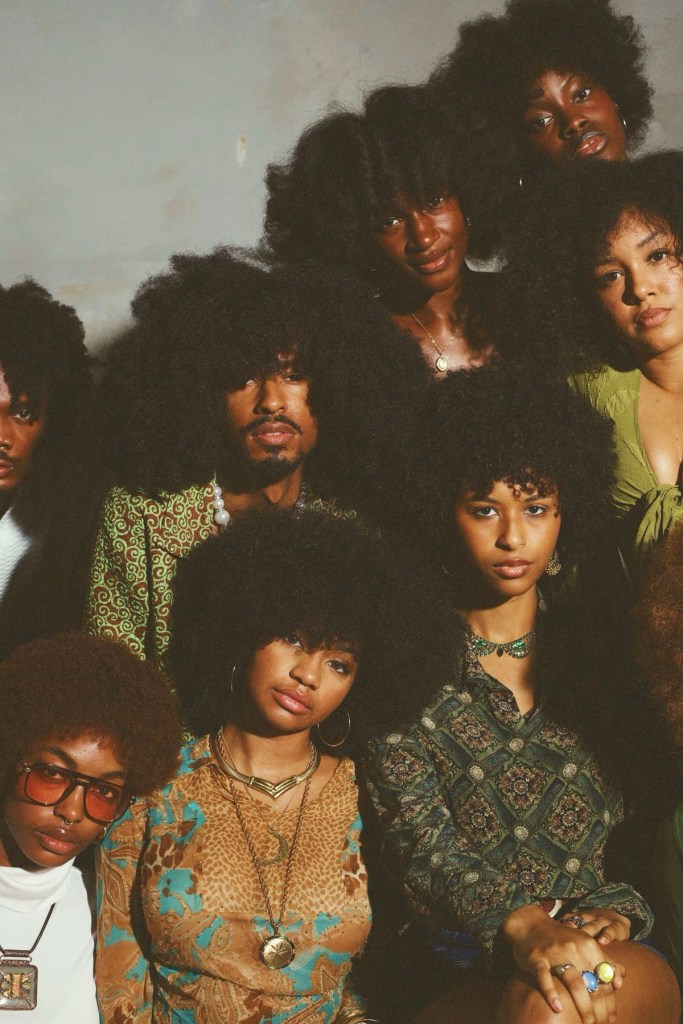
During the slave trade era, this identity was stripped away. Hair was often shaved, and Afro textures were later stigmatized under Eurocentric beauty standards (Byrd and Tharps, 2014). By the 20th century, many adopted straightening patterns to gain social acceptance. However, the 1960s marked a turning point, where the Afro became a symbol of resistance and pride, led by figures like Angela Davis.
Contemporary Perceptions of Afro Hair:
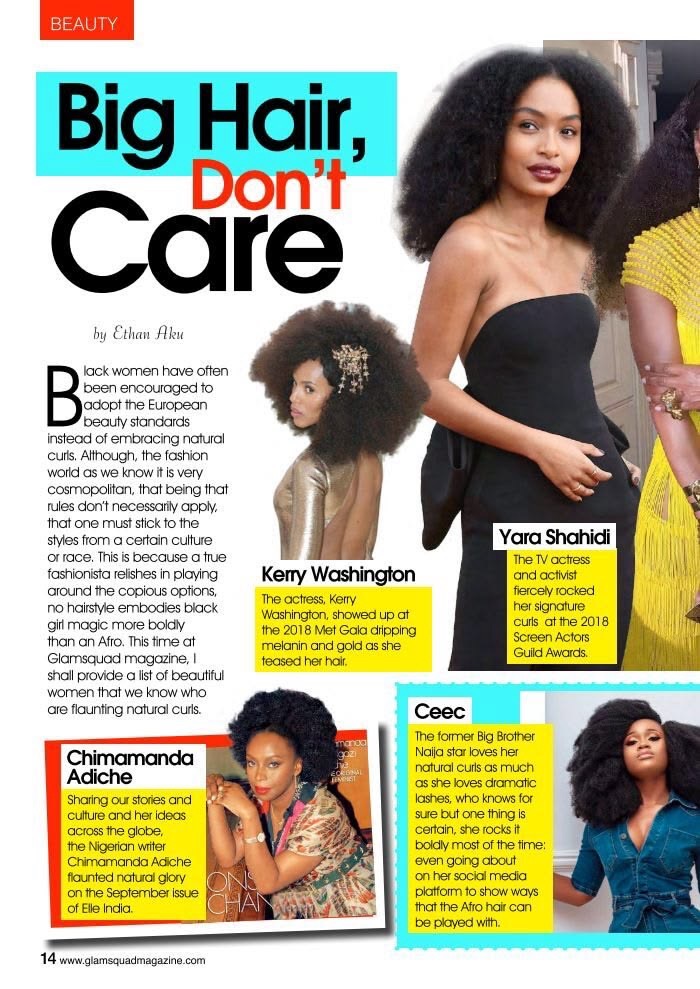
Stereotypes directly influence how people perceive natural hair brands. Afro hair is still occasionally perceived as less professional (unkept) or harder to manage compared to other hair texture. Additionally, representation in mainstream media remains restricted, frequently emphasising looser curl patterns over tighter textures.
Challenging these stereotypes requires deliberate action from brands, such as;
Influencing different hair textures in marketing campaigns
Promoting positivity and educating consumers about Afro hair care
THE IMPACT OF STEREOTYPES ON BRAND DEVELOPMENT
Consumer Trust and Brand Perception:
Stereotypes directly influence how consumers perceive natural hair brands, particularly among audiences who feel misrepresented or ignored, as a lack of true representation can breed mistrust. Brands that aggressively fight stereotypes can create closer relationships with their audience by portraying themselves as advocates for inclusivity and empowerment, which would not only build the brand’s image and perception but would also foster long term loyalty.
Barriers to Market Entry:
Entrepreneurs entering the natural hair industry usually face several challenges, including: 1. Candompetition 2.Lack of financial resources 3.Difficulty differentiating their brand and remaining relevant
Additionally, overcoming cognitive dissonance and scepticism requires follow-up and a clear demonstration of value. Brands must prove that they understand Afro hair and are committed to addressing its unique needs and texture.
TRADTIONAL MARKETING FOR NATURAL HAIR BRANDS
While digital marketing plays a big part in brand visibility, traditional marketing tactics remain crucial for creating trust and credibility especially in natural hair settings. Example of traditional marketing strategies include;
1.Print Media and Magazine Advertising
2. In-Store Promotion and Retail Strategy
3. Community Engagement and Events
4. Word-of-Mouth and Local Influence
INTEGRATING DIGITAL AND TRADITIONAL MARKETINGB STRATRAGIES:
A successful natural hair brand must embrace an integrated marketing approach.while conventional marketing creates trust and local presence, digital channels enhance reach and engagement.
For example, brands can: • Promote in-store events through Instagram • Share tutorials and customer testimonials online • Encourage user-generated content and reviews
This combination ensures a consistent brand message across all channels and maximizes visibility.
KEY SUCCESS FACTORS FOR SUSTAINABLE BRAND DEVELOPMENT
Some of major factors of a successful brand develpment includes;
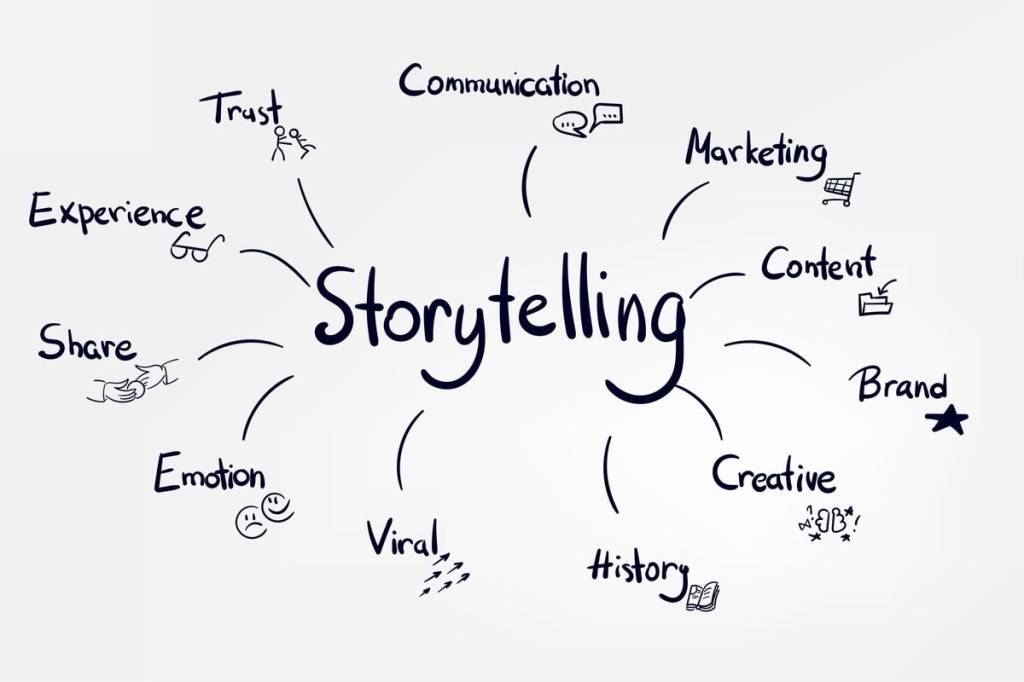
1.Strong brand storytelling
2.Consumer education and awareness
3.Cultural Representation and community invovement
Therefore, developing a sustainable natural hair business involves honesty, consumer education, and inclusive representation not just digitally but also in reality. These elements not only increase trust and loyalty but also play a crucial role in fighting preconceptions and encouraging a more accurate understanding of Afro-textured hair.
IN CONCLUSION
Building a natural hair brand is not only about selling items, it is about empowering a community, honoring heritage, and questioning beauty norms established and absorbed into our system.
The path is filled with challenges: a saturated market, gaps in consumer knowledge, and the temptation to prioritize profit over purpose. Yet, the brands that rise above are those that pay attention to their consumers, embrace authenticity, and celebrate the identity embedded in every curl, coil, and kink.
Traditional marketing methods, paired with digital initiatives, provide a comprehensive approach to brand building. From print media to community events, these methods reinforce trust and authenticity, which are essential for long-term success. The Afro hair is more than a trend; it is a culture, it is history embedded in curls, and self-expression.
If you’re tired of guessing your way through natural hair care routines and brands that present your cultural identity as a problem, join a community that understands the Afro hair : BLACK-HAIR LEGACY https://whatsapp.com/channel/0029VbCGBBEBadmVVARnFf0c
I have always had the feeling of constant dread when it comes to maintaining my hair, and don’t get me started on wash day. However, with the introduction of hair growth oil and tips from fellow African hair enthusiasts like OCJ’s hair brand, I now embrace my natural hair with all its perks” – Chika Esther Orizu
Research suggests that Afro-textured hair has historically been underrepresented and often mischaracterised within the beauty industry, contributing to ongoing misconceptions and challenges for consumers (Byrd & Tharps, 2014).
True, things change when we start viewing our hair differently. We see not just the physical representation of ourselves but the cultural essence of our people. Be you starting with your hair!
Wow, this is wonderful, it’s wonderful to know that there are brands who still care about the Afro hair, and not focus on controlling the hair, to suit western social patterns
The changes going on hair growth when using ocj hair products is wonder and impressive so will want to recommend more if the hair products because it makes hair grows faster and long
Thank you for this piece. This is indeed educational, embracing our root is essential and therefore, sustainability of the culture should be generational.
Glad we have people ensuring that every strand matters 💯
Your brand is a beautiful reflection of confidence and culture. I love the consistency and how you’re redefining natural beauty with such authenticity — keep shining and inspiring!
It is great to know that the African natural hair has gained more recognition and it is being appreciated for what it truly is today. This was not the case before. The natural hair is so beautiful when taken care off, in terms of styling, moisturizing and using the right products for it.
-Ethel Tabuo


 Site Title
Leave a comment